
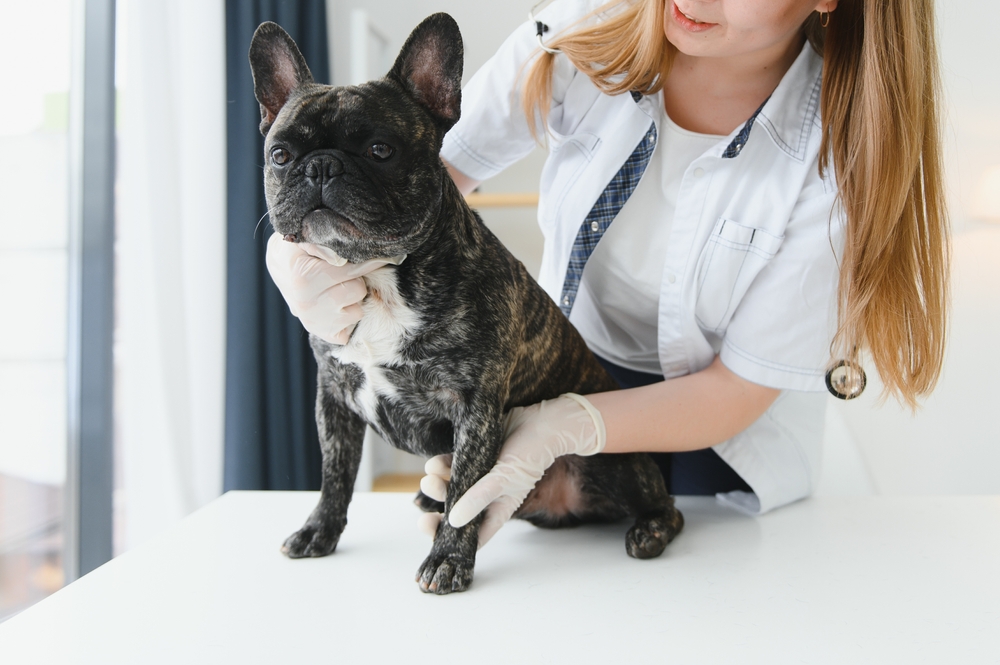
Finding a lump on your pet can be stressful, but not every growth is cancerous or immediately dangerous. Pets can develop cysts, fatty masses, skin tags, abscesses, and tumors for many different reasons. The most important step is having the growth examined by a veterinarian so we can determine what it is and whether treatment is needed.
At Rocky Ridge Animal Clinic and Pet Hotel, we offer pet examinations, in-house diagnostics, and soft tissue/tumor removal surgeries to help pets receive timely care when a mass needs further attention.
When A Tumor Should Be Evaluated
Any new lump, bump, or swelling should be checked, especially if it changes quickly or seems painful. Even growths that look harmless can sometimes require testing. A veterinary exam helps us evaluate the size, location, texture, and overall concern level of the mass.
Pet owners should schedule a visit if they notice:
- A lump that is growing or changing shape
- Bleeding, discharge, redness, or irritation
- Pain when the area is touched
- A mass that interferes with walking, eating, grooming, or comfort
- Sudden swelling or a wound that does not heal
- Multiple new lumps appearing at once
Why Testing Matters Before Surgery
Before recommending tumor removal, we may suggest diagnostic testing to better understand the growth. This can include a physical exam, lab work, imaging, or sampling the mass when appropriate. Testing helps us decide whether surgery is the best option and allows us to plan a safer, more effective procedure.
For some pets, a mass may be monitored for changes. For others, removal may be recommended sooner, especially when the tumor appears suspicious, is uncomfortable, or is in a location that could cause problems as it grows.
When Surgery Becomes Necessary
Tumor removal surgery may be necessary when a growth is affecting your pet’s comfort, mobility, or quality of life. Surgery may also be recommended if the mass has concerning features or if removing it gives your pet the best chance for a clear diagnosis and treatment plan.
Some tumors are removed because they are painful or easily irritated. Others may need removal because they are located near the eyes, mouth, legs, or other sensitive areas. In many cases, early removal can make surgery simpler than waiting until the mass becomes larger or more difficult to manage.
What To Expect With Tumor Removal
Our goal is to make the process as clear and comfortable as possible for both you and your pet. Before surgery, we review your pet’s health, discuss any recommended testing, and explain what the procedure may involve. After surgery, we provide instructions for incision care, activity restriction, medication, and follow-up visits.
Recovery depends on the size and location of the tumor, your pet’s age, and their overall health. We will guide you through what is normal during healing and when to contact us with concerns.
Supporting Your Pet’s Long-Term Health
Tumor removal is only one part of caring for your pet’s health. Routine wellness exams help us track new or changing lumps, monitor senior pets, and identify concerns before they become more serious. If your pet has a history of tumors, regular checkups are especially important.
To schedule an exam or discuss tumor removal in pets, contact Rocky Ridge Animal Clinic and Pet Hotel in Birmingham, AL by calling (205) 267-1300.
Information
2488 Rocky Ridge Road Birmingham, AL 35243
205.267.1300
Email: rockyridgeanimalclinic@yahoo.com
Office Hours
Mon-Fri: 7:00am - 6:00pm
Saturday: 7:00am - 1:00pm
Sunday Pick Up: 6:00pm - 7:00pm
Hours subject to Change for Holidays
